

The Chinese Quarter (Wadi Salib), Haifa — A Historic District with Unique Character, Major Renewal Potential, and Growing Investor Interest (771)
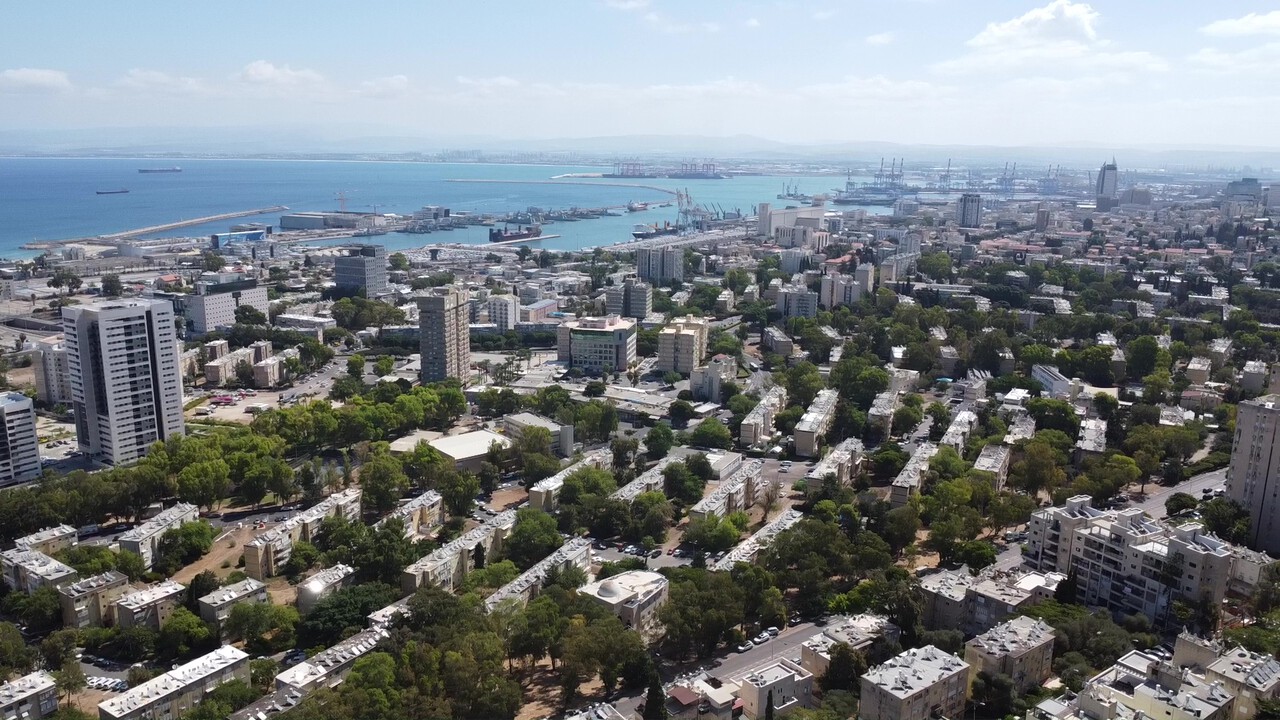
The Chinese Quarter, also known as Wadi Salib, is one of Haifa’s most historically significant yet undervalued neighborhoods. Located between Downtown and Hadar, close to the port and the central train station, the area is known for its early‑20th‑century architecture, dramatic history, and today — for large‑scale urban renewal plans aimed at transforming it into a cultural and residential hub.
General Overview
The Chinese Quarter is a district with deep historical roots and a distinctive atmosphere. It combines old stone houses, abandoned structures, new developments, and creative spaces.
Key characteristics of the neighborhood:
- historic buildings from the Ottoman and British Mandate periods
- unique stone architecture with arches and high ceilings
- proximity to Downtown and Hadar
- active municipal plans for full‑scale renewal
- growing cultural and artistic activity
The atmosphere is a blend of an old Middle Eastern quarter, industrial heritage, and modern urban energy.
Infrastructure and Transportation
The district is located in one of Haifa’s most accessible transportation hubs.
Nearby you will find:
- Haifa Merkaz HaShmona train station
- the Carmelit underground funicular
- numerous bus routes
- Downtown’s cafés, bars, and galleries
- Talpiot Market and the Hadar district
Internal infrastructure is still limited but improving as renewal projects progress.
Types of Properties
Real estate in the Chinese Quarter is diverse and offers significant potential.
Main property types include:
- historic stone houses from the early 20th century
- buildings requiring full reconstruction
- new projects within urban renewal frameworks
- lofts and studios converted from former commercial spaces
- commercial units on ground floors
Most buildings lack elevators and parking, typical of older urban construction.
Investment Perspective
The Chinese Quarter is one of Haifa’s most promising long‑term investment areas.
Advantages:
- low entry prices
- strong potential for value appreciation after renewal
- proximity to Downtown and major transport hubs
- growing interest from creative communities
- opportunity to acquire unique historic properties
Disadvantages:
- many buildings are in poor structural condition
- the district is still in early development stages
- limited existing infrastructure
- wide variation in property quality
Investment strategies:
- purchasing properties for full renovation
- acquiring commercial spaces
- participating in urban renewal projects
- long‑term holding until the area’s transformation is complete
Who the Neighborhood Suits
The Chinese Quarter is an excellent choice for:
- investors focused on long‑term appreciation
- artists, designers, and creative professionals
- buyers seeking unique historic properties
- those who want to live near Downtown
- entrepreneurs opening galleries, studios, cafés
Less suitable for:
- families with young children
- buyers who need fully developed infrastructure
- those who prefer quiet, orderly neighborhoods
- people who require parking
Practical Checklist for Buyers
- check the building’s structural condition (many require major renovation)
- verify whether the property has historic status
- review municipal renewal plans for the area
- assess commercial potential
- evaluate noise levels and local activity
- compare prices across different streets — differences can be significant
Unehasim Recommendations
- In the Chinese Quarter, professional structural inspection is essential.
- Historic buildings have high long‑term value but require substantial investment.
- After high‑quality renovation, properties become highly liquid.
- The district is ideal for long‑term strategies rather than quick flips.
Contact Unehasim
If you are considering buying or selling property in the Chinese Quarter, the Unehasim team can help:
- conduct an accurate valuation based on historic status and building condition
- review legal restrictions and renewal plans
- assess the property’s potential for appreciation or commercial use
- guide the transaction professionally, transparently, and without unpleasant surprises
In a district on the verge of major transformation, the right strategy is crucial.