

How to Choose the Right Home in Haifa’s Older Neighborhoods (657)
Introduction
Many neighborhoods in Haifa were built in the 1950s–1980s, and today they attract new olim with their affordable prices, spacious layouts, and convenient locations. But older buildings also require careful evaluation: technical condition, renovations, infrastructure, and long-term maintenance can vary greatly from place to place.
This guide explains how to choose the right apartment in Haifa’s older housing stock and what to check before signing a contract.
Key Characteristics of Older Buildings in Haifa
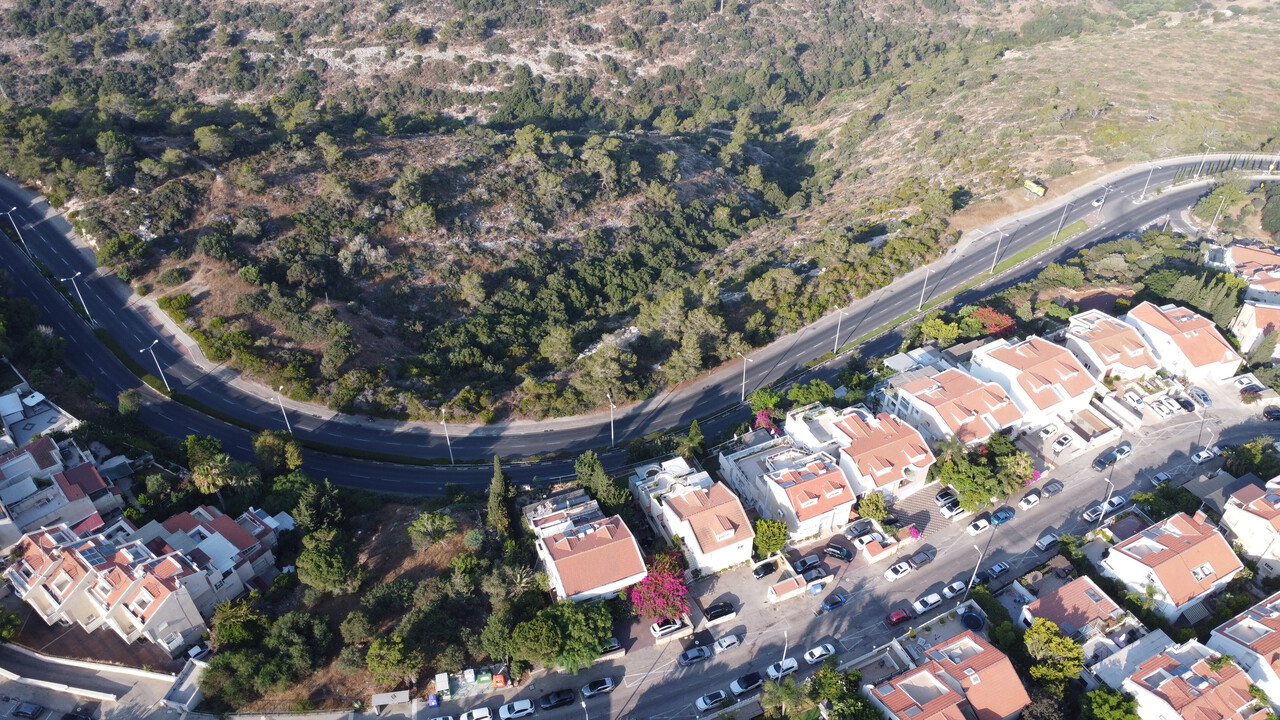
Older neighborhoods like Hadar, Neve Shaanan (lower parts), Kiryat Sprinzak, Ramot Remez, and areas near the city center often feature classic Israeli construction from the second half of the 20th century.
Such buildings share several typical advantages:
- More spacious layouts compared to modern buildings
- Thick walls and good natural ventilation
- Convenient access to public transport
- Lower purchase prices compared to the Carmel
However, these same areas may also have aging infrastructure or buildings that require significant upgrades.
What to Check Before Purchasing an Apartment
Building condition
Inspect the general state of the structure: cracks, dampness, roof condition, stairwell, and the building’s external façade. Old buildings that received minor renovations often still need major repairs.
Pipes and electrical systems
Ask when the plumbing and electrical wiring were last updated. Buildings from the 1960s–1970s often have outdated systems that may require replacement.
The apartment layout
Older apartments sometimes have closed kitchens, narrow hallways, or small storage rooms. Check if the layout fits your lifestyle and if modifications are possible.
Noise level and surroundings
Many older neighborhoods are located near main roads or active commercial areas. Visit at different hours to understand the real noise level.
Potential for TAMA 38 or urban renewal
Some neighborhoods may be included in future strengthening or redevelopment programs. Such projects can significantly increase property value.
Parking and access
Older buildings often lack private parking. Evaluate whether the street has available parking and whether public transportation is convenient.
Tips from Unehasim
- Verify whether the building has been partially renovated or only cosmetically repaired.
- Request a professional inspection to evaluate moisture, wiring, roof condition, and plumbing.
- Look into upcoming municipal plans — some streets in Hadar or lower Neve Shaanan are considered for renewal.
- Older buildings often offer the best value for money; however, choosing the right one requires checking more details than with newer properties.
- We at Unehasim can prepare a full building assessment, neighborhood overview, and long-term maintenance forecast for you.
Conclusion
Choosing a home in Haifa’s older neighborhoods allows olim to enter the market with a balanced budget and a comfortable living space.
A careful evaluation of the building’s condition and infrastructure ensures a smart, stable purchase.
For help selecting the right building and analyzing an older neighborhood, contact Unehasim — we’ll guide you to the best long-term choice.