




How to Determine the Real Rental Price in Haifa (927)
The rental market in Haifa is very different from other Israeli cities. The city’s steep terrain, mixed building ages, varied infrastructure, and uneven demand make online listings unreliable. To understand the true rental price, it’s essential to evaluate not only the neighborhood but also the specific street, the building’s condition, the presence of an elevator or parking, and even the difficulty of the uphill walk.
Main Factors That Influence Rental Prices in Haifa
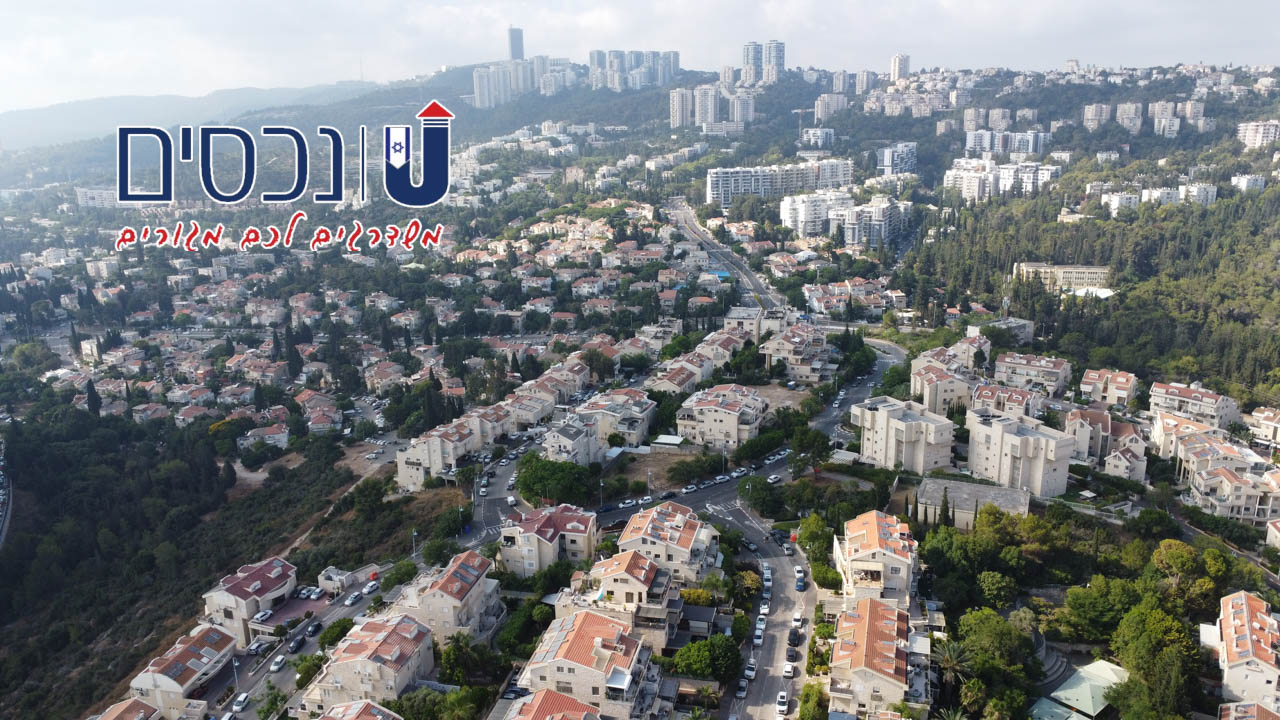
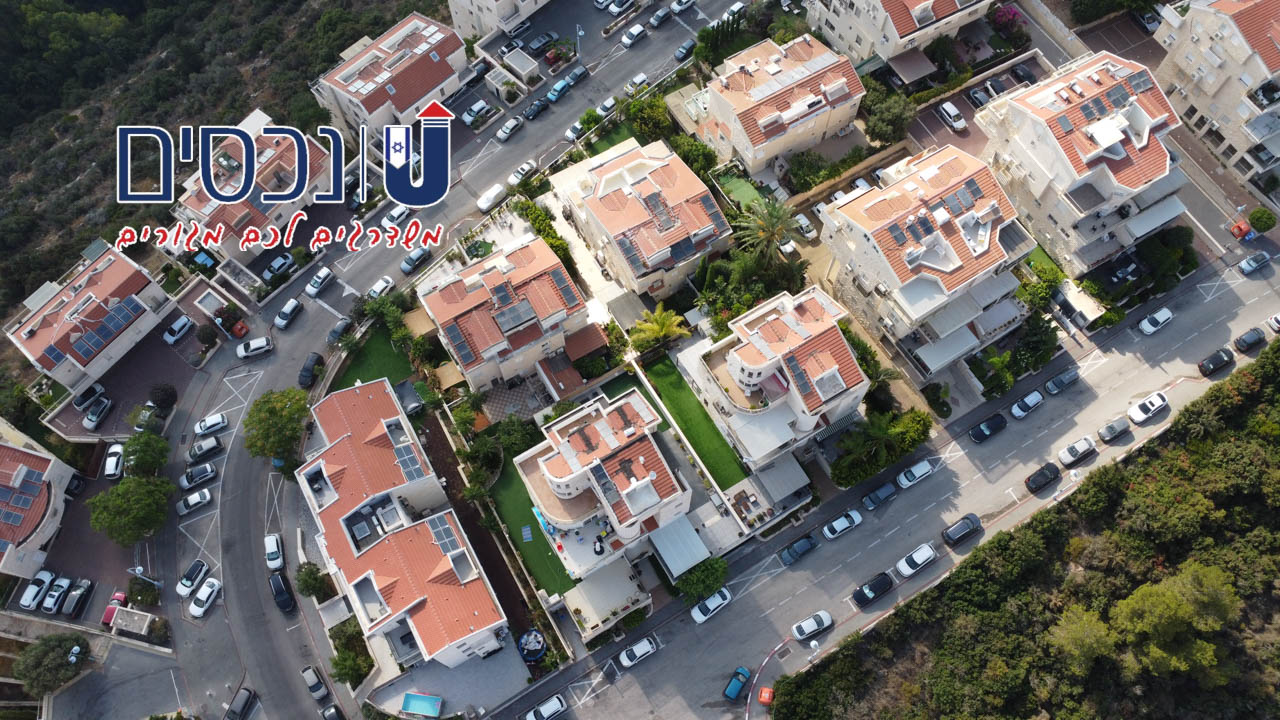
Neighborhood and micro‑location
Price differences between adjacent streets can reach 20–30%.
- Ahuza, Ramat Golda, Ramat Almogi — high‑end segment
- Neve Shaanan, Vardia, Carmelia — mid‑range
- Hadar, Kiryat Eliezer, Shprinzak — affordable
- Downtown — rising due to urban renewal
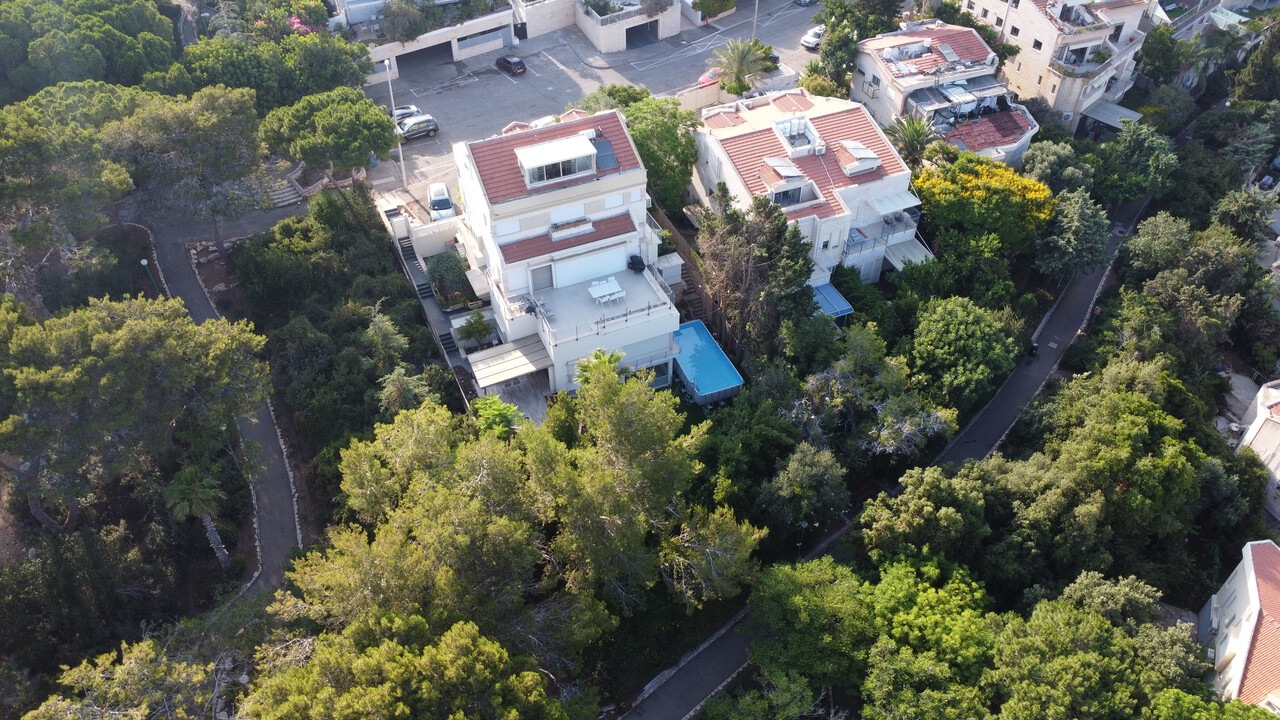
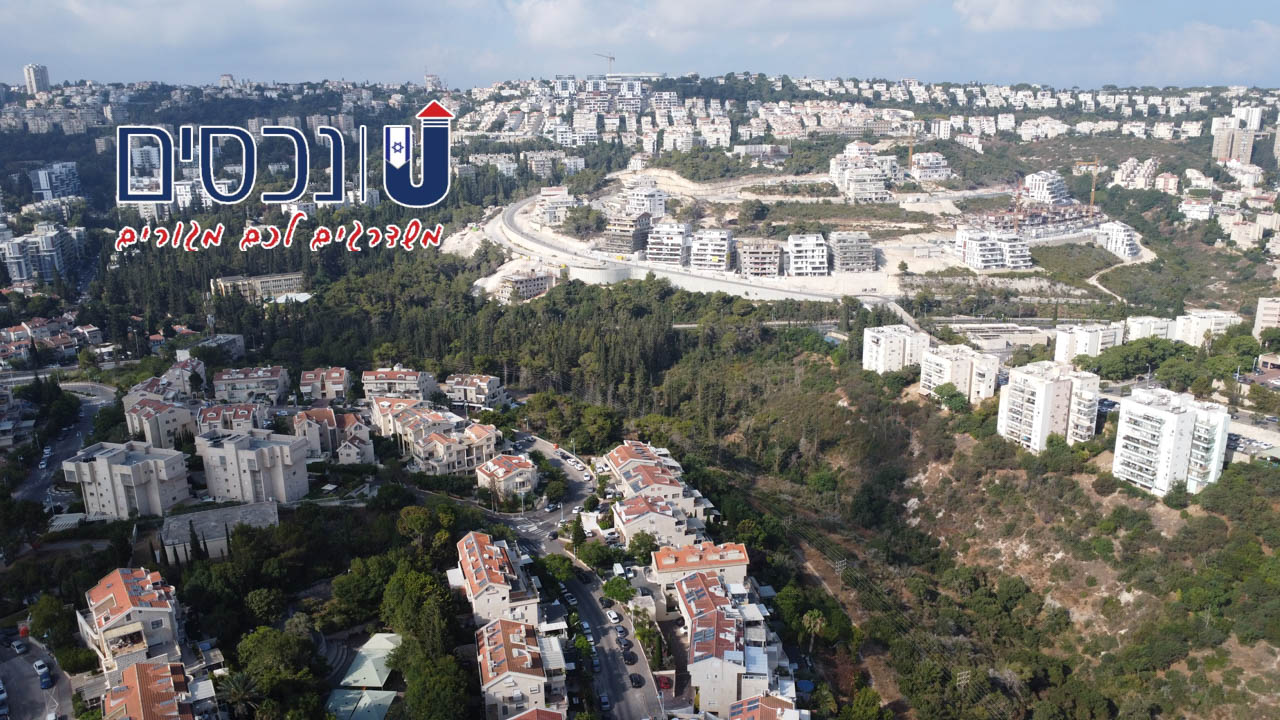
Terrain and elevation
A critical factor unique to Haifa.
- steep uphill streets → lower price
- top‑of‑the‑hill apartments with a view → higher price
- no elevator in a mountain area → −10–20%
Building age
- new buildings → +15–25%
- 1960s–1980s buildings → standard pricing
- old buildings without elevators → −10–20%
Elevator and parking
Extremely important in elevated neighborhoods.
- elevator → +300–500 ₪ per month
- private parking → +200–400 ₪
Apartment condition
- renovated → +10–20%
- average condition → standard price
- needs renovation → −10–15%
Proximity to universities and hospitals
Strong demand driver.
- Neve Shaanan, Tel Amal, Shprinzak → student demand
- Ramat Almogi, Ramat Hen → demand from medical staff and Technion employees
How to Determine the Real Rental Price: Step‑by‑Step
- Compare actual rental deals, not listings
Listings are often inflated by 10–25%.
Focus on:
- recently rented apartments
- average price on the specific street
- demand trends
- Factor in terrain and accessibility
Even within one neighborhood:
- apartments “downhill” cost more than those “up the slope”
- buildings near a Metronit stop rent for more than those requiring a 10‑minute uphill walk
- Check the building’s condition
Especially important in older Haifa areas.
Evaluate:
- elevator availability
- entrance and stairwell condition
- plumbing and electrical systems
- parking options
- Assess demand in the area
Demand directly shapes price.
High demand:
- Neve Shaanan (students)
- Ahuza (families)
- Downtown (young professionals)
Medium demand:
- Hadar
- Shprinzak
- Tel Amal
- Consider seasonality
Haifa has stronger rental seasonality than central Israel.
- August–October → peak demand (students)
- November–February → lower prices
- March–June → stable market
Average Rental Prices in Haifa (Guidelines)
Studios / 1‑room
- Hadar, Shprinzak: 2,200–2,800 ₪
- Neve Shaanan: 2,800–3,300 ₪
- Ahuza, Ramat Almogi: 3,500–4,200 ₪
2‑room
- Hadar: 2,800–3,500 ₪
- Neve Shaanan: 3,500–4,200 ₪
- Ahuza: 4,500–5,500 ₪
3‑room
- Hadar: 3,500–4,500 ₪
- Neve Shaanan: 4,200–5,200 ₪
- Ahuza, Ramat Golda: 5,500–7,000 ₪
4‑room
- Hadar: 4,500–5,500 ₪
- Neve Shaanan: 5,500–6,500 ₪
- Ahuza, Ramat Almogi: 7,000–9,000 ₪
Common Mistakes Renters Make
- relying on listings instead of real prices
- ignoring terrain and lack of elevator
- not checking the building’s condition
- comparing neighborhoods instead of specific streets
- renting during peak season at inflated prices
Unehasim Recommendations
- compare prices by street, not just neighborhood
- factor in terrain and public transport
- inspect the building and entrance
- analyze demand (students, families, professionals)
- consider seasonal price fluctuations
Professional Support by Unehasim
We assist with:
- selecting reliable professionals to review rental contracts
- analyzing the real market price
- checking building condition and infrastructure
- protecting the interests of tenants or landlords
- guiding the rental process through completion